
Common Home Inspection Issues in Maryland Properties and How to Avoid Them
April 22, 2026Buying or owning a home in Maryland is a major investment, and one of the most important steps in protecting that investment is the home inspection process. Inspections reveal hidden problems that may not be visible during a casual walkthrough but can significantly affect safety, value, and long-term maintenance costs.
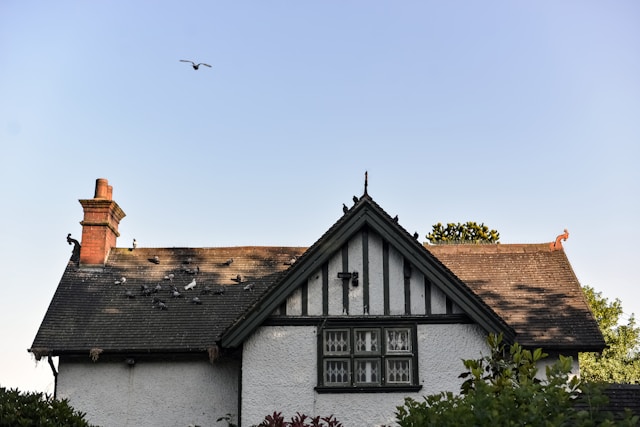
In Columbia, Maryland, professional inspectors such as Aaron’s Inspections play a key role in identifying these issues early and helping homeowners make informed decisions. Whether you are purchasing a new property or maintaining an existing one, understanding common inspection findings can help you avoid costly surprises.
This guide explores the most frequent home inspection issues in Maryland properties and provides practical strategies to prevent them.
Why Home Inspections Matter in Maryland
Maryland’s climate, housing age diversity, and regional building styles create unique challenges for homeowners. Properties range from historic homes to modern constructions, each with different vulnerabilities.
Home inspections help by:
- Identifying hidden structural problems
- Detecting moisture and water damage
- Ensuring electrical and plumbing safety
- Evaluating roof and foundation conditions
- Supporting fair property valuation
Without a proper inspection, buyers and homeowners risk overlooking issues that could cost thousands of dollars later.
Common Home Inspection Issues in Maryland Properties
Below is a breakdown of the most frequently identified problems during home inspections across Maryland.
1. Roof Damage and Aging Roofing Systems
Roof issues are among the most common findings in Maryland inspections due to seasonal weather changes, including heavy rain, snow, and humidity.
Common roof problems include:
- Missing or damaged shingles
- Leaks and water intrusion
- Poor flashing installation
- Aging roofing materials
- Clogged gutters leading to overflow
Roof repairs or replacements can be expensive, making early detection essential.
2. Moisture and Water Intrusion Problems
Maryland’s climate makes moisture-related issues a recurring concern in home inspections.
Typical moisture problems:
- Basement leaks or dampness
- Mold and mildew growth
- Poor drainage around the foundation
- Cracks in basement walls
- Condensation in attics
Unchecked moisture can lead to structural damage and health risks.
3. Electrical System Deficiencies
Outdated or improperly installed electrical systems are another common inspection issue, especially in older homes.
Common electrical concerns:
- Outdated wiring (e.g., knob-and-tube systems)
- Overloaded circuits
- Faulty outlets or switches
- Lack of grounding
- Improper electrical panel installation
Electrical problems can pose serious safety hazards, including fire risks.
4. Plumbing Issues and Water System Failures
Plumbing problems often go unnoticed until an inspection reveals them.
Frequent plumbing issues:
- Leaking pipes or fixtures
- Corroded plumbing lines
- Low water pressure
- Faulty water heaters
- Improper drainage systems
Small leaks can lead to significant water damage if not addressed early.
5. Foundation Cracks and Structural Movement
Structural integrity is one of the most critical aspects of any home inspection.
Common foundation issues:
- Horizontal or vertical cracks in walls
- Uneven floors
- Doors and windows that don’t close properly
- Settling or shifting foundations
- Water intrusion near foundation walls
Foundation repairs can be complex and costly, making early detection essential.
6. HVAC System Problems
Heating, ventilation, and air conditioning systems are essential for comfort and energy efficiency.
Common HVAC issues include:
- Poor system maintenance
- Inefficient heating or cooling performance
- Dirty or clogged air filters
- Aging or failing units
- Improper installation
These issues often lead to higher energy bills and reduced indoor comfort.
7. Insulation and Energy Efficiency Deficiencies
Many Maryland homes, especially older ones, lack proper insulation or energy efficiency features.
Typical issues:
- Insufficient attic insulation
- Air leaks around windows and doors
- Poorly sealed ductwork
- Inefficient windows
- Heat loss in winter months
These problems increase utility costs and reduce comfort.
8. Pest and Termite Damage
Pest infestations can cause serious structural damage if left untreated.
Common findings include:
- Termite damage in wooden structures
- Rodent entry points
- Insect nests in walls or attics
- Wood rot caused by pests
Early detection is crucial to prevent long-term damage.
Summary Table of Common Home Inspection Issues
| Issue Category | Common Problems | Potential Risk | Prevention Strategy |
|---|---|---|---|
| Roofing | Missing shingles, leaks, aging materials | Water damage, structural deterioration | Regular roof maintenance and inspections |
| Moisture | Basement leaks, mold, poor drainage | Structural damage, health risks | Improve drainage and waterproofing |
| Electrical | Outdated wiring, overloaded circuits | Fire hazards, system failure | Upgrade wiring and electrical panels |
| Plumbing | Leaks, corrosion, low pressure | Water damage, mold growth | Routine plumbing maintenance |
| Foundation | Cracks, settling, uneven floors | Structural instability | Early structural evaluation |
| HVAC | Inefficiency, poor maintenance | High energy costs, discomfort | Regular servicing and filter replacement |
| Insulation | Air leaks, poor insulation | Energy loss, high utility bills | Upgrade insulation and seal gaps |
| Pests | Termites, rodents, wood damage | Structural deterioration | Pest control and routine inspections |
How to Avoid Common Home Inspection Issues
Preventing problems before they appear is the best way to protect your home investment. Many inspection issues can be minimized or avoided entirely with proactive maintenance.
1. Schedule Regular Professional Inspections
Routine inspections help identify problems early before they escalate.
- Annual or bi-annual inspections are recommended
- Focus on roof, foundation, and plumbing systems
- Use qualified professionals for accurate assessments
2. Perform Seasonal Maintenance
Each season presents different risks for Maryland homes.
Seasonal tips:
- Clean gutters in fall and spring
- Check heating systems before winter
- Inspect air conditioning before summer
- Monitor basement moisture during rainy seasons
3. Address Small Issues Immediately
Minor problems often become major repairs if ignored.
- Fix leaks as soon as they appear
- Replace damaged shingles promptly
- Repair cracks before they expand
4. Improve Home Ventilation and Drainage
Proper airflow and water management reduce many common issues.
- Install or maintain exhaust fans
- Ensure proper grading around the home
- Clean and maintain drainage systems
5. Upgrade Aging Systems
Older homes often require system upgrades for safety and efficiency.
- Replace outdated electrical wiring
- Upgrade old plumbing systems
- Install modern HVAC units if necessary
The Role of Professional Home Inspectors
Professional inspectors provide a detailed, unbiased assessment of a property’s condition. In Maryland, experienced providers like Aaron’s Inspections help homeowners and buyers understand potential risks before making major decisions.
What inspectors typically evaluate:
- Structural integrity
- Electrical systems
- Plumbing systems
- Roofing conditions
- HVAC performance
- Safety hazards
Their findings help buyers negotiate repairs, adjust pricing, or plan future maintenance.
Why Early Detection Saves Money
One of the biggest advantages of home inspections is cost prevention. Small issues, when identified early, are significantly cheaper to repair than large-scale damage.
Example cost impact:
- Small roof leak → minor repair
- Unaddressed leak → major structural damage
- Minor electrical issue → simple fix
- Faulty wiring left unchecked → fire risk and full rewiring
Early intervention protects both safety and financial investment.
Final Thoughts
Home inspections are a critical step in maintaining safe, functional, and valuable properties in Maryland. From roofing and plumbing to electrical systems and foundation stability, many common issues can be identified and addressed early with proper evaluation.
By understanding these risks and taking preventive action, homeowners can reduce repair costs, improve safety, and extend the lifespan of their property.
Professional services such as Aaron’s Inspections play an essential role in this process by providing thorough, detail-oriented assessments that help homeowners make informed and confident decisions.
Ultimately, a well-maintained home is not just about appearance—it’s about long-term safety, efficiency, and peace of mind.