
Understanding Hidden Home Defects: What Most Buyers Overlook in Millersville Properties
March 20, 2026Buying a home is one of the most significant investments a person can make. In Millersville, Maryland, where a mix of older homes and newer constructions coexist, many buyers focus on visible features like layout, finishes, and location. However, what lies beneath the surface often matters far more than what meets the eye.
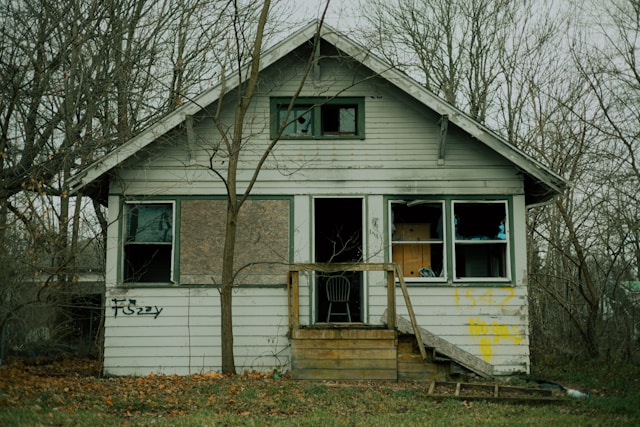
Hidden home defects, issues not immediately visible during a casual walkthrough, can lead to costly repairs, safety concerns, and long-term structural problems. Understanding these hidden risks is essential for making informed decisions and protecting your investment.
Why Hidden Defects Are Often Missed
Most homebuyers are not trained to identify subtle warning signs of underlying issues. During showings, attention is typically directed toward aesthetic features such as flooring, paint, and fixtures. Sellers may also stage homes to highlight strengths while unintentionally or intentionally downplaying potential problems.
Additionally, some defects develop gradually over time and are not obvious without a detailed evaluation. In Millersville, environmental factors like humidity, seasonal weather changes, and soil conditions can contribute to hidden damage that may not be immediately apparent.
Common Hidden Home Defects in Millersville
Understanding the most common hidden issues can help buyers know what to look for and what questions to ask.
1. Moisture Intrusion and Water Damage
Moisture is one of the most damaging forces in a home. In Maryland’s humid climate, water intrusion can occur through roofs, basements, windows, and siding systems.
Warning signs:
- Musty odors
- Discoloration on walls or ceilings
- Warped flooring
- Mold growth in corners or hidden areas
Unchecked moisture can lead to structural damage and health risks due to mold and mildew.
2. Foundation and Structural Issues
Foundation problems can be expensive and complex to repair. They often develop slowly and may not be noticeable at first glance.
Indicators include:
- Cracks in walls or ceilings
- Uneven floors
- Doors and windows that stick or won’t close properly
- Gaps around window frames
Millersville’s soil composition and seasonal expansion can contribute to foundation movement over time.
3. Roofing Problems
Roofing systems are constantly exposed to the elements, making them vulnerable to wear and damage.
Hidden roofing defects may involve:
- Leaks beneath shingles
- Damaged flashing
- Poor ventilation
- Aging materials
Because these issues are often not visible from the ground, they can go unnoticed until significant damage occurs.
4. Electrical System Deficiencies
Electrical issues are not always visible but can pose serious safety hazards.
Common hidden concerns:
- Outdated wiring
- Overloaded circuits
- Improper installations
- Lack of grounding
These problems can increase the risk of electrical fires and system failures.
5. Plumbing Leaks and Pipe Damage
Small plumbing issues can remain hidden behind walls, under floors, or in crawl spaces.
Signs to watch for:
- Low water pressure
- Unexplained water stains
- Increased water bills
- Sounds of running water when fixtures are off
Over time, even minor leaks can cause extensive water damage.
6. HVAC System Inefficiencies
Heating and cooling systems are essential for comfort, but their issues are not always obvious.
Hidden problems may include:
- Dirty or clogged ducts
- Inefficient airflow
- Aging components
- Poor maintenance history
These issues can lead to higher energy costs and reduced system lifespan.
7. EIFS Moisture Problems
Exterior Insulation and Finish Systems (EIFS) are used in some homes for insulation and aesthetic purposes. However, if not properly installed or maintained, they can trap moisture behind walls.
Risks associated with EIFS:
- Hidden rot within wall structures
- Mold growth
- Structural deterioration
In areas like Millersville, where humidity levels fluctuate, EIFS systems require careful monitoring.
Why Millersville Homes Are Unique
Millersville offers a diverse range of properties, from older homes with historical charm to newer developments. Each type presents its own set of potential hidden issues.
Key local factors:
- Climate: Humidity and seasonal changes increase moisture risks
- Aging Homes: Older properties may have outdated systems
- Construction Variability: Newer homes may still have construction defects
- Soil Conditions: Can affect foundation stability
Understanding these regional influences helps buyers better assess potential risks.
The Cost of Overlooking Hidden Defects
Failing to identify hidden issues before purchasing a home can lead to significant financial and emotional stress.
Potential consequences:
- Unexpected repair costs
- Safety hazards
- Decreased property value
- Ongoing maintenance issues
In some cases, repairs for major defects can cost thousands—or even tens of thousands—of dollars.
Key Areas Buyers Should Pay Attention To
While not all defects are visible, there are specific areas where problems are more likely to occur.
| Home Area | Common Hidden Defects | Potential Impact |
|---|---|---|
| Roof | Leaks, damaged flashing | Water damage, mold growth |
| Foundation | Cracks, settling | Structural instability |
| Plumbing | Hidden leaks, pipe corrosion | Water damage, increased utility costs |
| Electrical System | Faulty wiring, outdated panels | Fire hazards, system failures |
| HVAC System | Inefficient airflow, aging units | High energy bills, poor comfort |
| Exterior (EIFS) | Moisture intrusion | Rot, mold, structural damage |
This table highlights where buyers should focus their attention during evaluations.
How Hidden Defects Develop Over Time
Most hidden issues are not the result of a single event but rather gradual wear and environmental exposure.
Contributing factors:
- Long-term moisture exposure
- Poor initial construction
- Lack of maintenance
- Natural aging of materials
In Millersville, seasonal weather patterns can accelerate these processes, making regular evaluations even more important.
The Importance of Thorough Property Evaluation
A detailed property evaluation goes beyond surface-level observations. It involves examining structural components, systems, and areas that are not immediately visible.
Benefits include:
- Identifying potential risks early
- Providing leverage in negotiations
- Helping buyers plan for future maintenance
- Ensuring safety and livability
A thorough approach reduces uncertainty and helps buyers make confident decisions.
Preventative Awareness for Homebuyers
Even without professional tools, buyers can take steps to become more aware of potential issues.
Practical tips:
- Visit the property multiple times
- Check for unusual smells or sounds
- Observe how doors and windows operate
- Look for signs of recent repairs or cover-ups
- Ask detailed questions about maintenance history
Being observant and informed can make a significant difference.
Long-Term Benefits of Identifying Hidden Defects Early
Recognizing hidden issues before finalizing a purchase offers several advantages.
Key benefits:
- Avoiding unexpected expenses
- Protecting your investment
- Ensuring a safe living environment
- Improving long-term property value
Early awareness allows buyers to address concerns proactively rather than reactively.
The Role of Knowledge in Smart Home Buying
In today’s real estate market, knowledge is one of the most powerful tools a buyer can have. Understanding hidden home defects equips buyers with the ability to evaluate properties more effectively and avoid costly mistakes.
In Millersville, where environmental factors and diverse housing styles create unique challenges, this knowledge becomes even more critical.
Final Thoughts
Hidden home defects are often overlooked, yet they can have a lasting impact on a property’s safety, functionality, and value. From moisture intrusion and structural issues to electrical and plumbing concerns, these problems can remain undetected without careful evaluation.
For buyers in Millersville, understanding the local environment and common risks is essential. By paying attention to subtle warning signs and taking a thorough approach to property evaluation, you can protect your investment and ensure your future home is both safe and livable.
A well-informed buyer is a confident buyer—and when it comes to real estate, that confidence can make all the difference.