
What Homeowners Should Know About Water Damage Behind Walls and Ceilings
June 29, 2026Water is one of the most essential resources in modern homes, supporting everything from cooking and cleaning to heating and cooling systems. However, when water escapes its intended pathways, it can become one of the most destructive forces affecting residential properties. While visible water damage often attracts immediate attention, some of the most serious problems occur behind walls and ceilings, where moisture can remain hidden for months or even years before becoming noticeable.
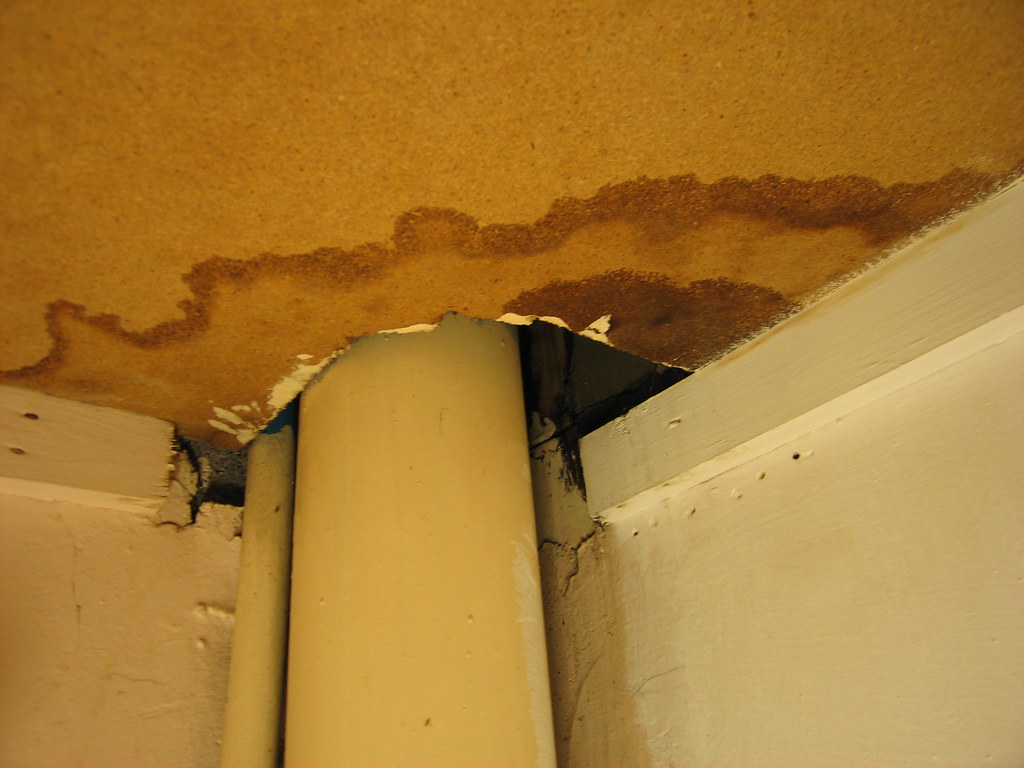
Hidden water damage is a significant concern because it can affect structural components, building materials, indoor environmental quality, and overall property value. Since the damage is concealed within wall cavities, ceiling assemblies, and other inaccessible areas, homeowners may not realize a problem exists until substantial deterioration has occurred. Understanding how water damage develops behind walls and ceilings, what warning signs to watch for, and how it can impact long-term home performance is essential for protecting residential properties.
Understanding Hidden Water Damage
Hidden water damage refers to moisture accumulation that occurs within concealed areas of a building. Unlike flooding or visible leaks that leave obvious signs, hidden water intrusion often develops gradually and remains undetected.
Modern homes contain numerous systems that transport water, including plumbing lines, drainage systems, appliances, and HVAC equipment. Any failure within these systems can introduce moisture into enclosed spaces. Additionally, water can enter from external sources such as roof leaks, foundation cracks, poorly sealed windows, or damaged exterior cladding.
Because walls and ceilings are designed to conceal structural and mechanical systems, moisture can accumulate without immediate visual evidence. Over time, however, water begins affecting surrounding materials, creating conditions that may compromise the home’s overall condition.
Common Sources of Water Damage Behind Walls and Ceilings
Water intrusion can originate from numerous sources throughout a residential structure. Some sources involve sudden failures, while others result from slow and persistent moisture exposure.
Plumbing Leaks
Plumbing systems are among the most common causes of hidden water damage. Small leaks from supply lines, drainpipes, fittings, and connections can release water into wall cavities over extended periods.
Even minor leaks can become significant when left undetected. Because plumbing often runs behind walls and above ceilings, moisture may spread through building materials before any visible symptoms appear.
Roof Leaks
Roof systems serve as the primary barrier against precipitation. Damaged shingles, flashing failures, deteriorated sealants, and storm-related damage can allow water to enter attic spaces and ceiling assemblies.
Once inside, water may travel considerable distances before becoming visible, making it difficult to identify the original source.
HVAC System Condensation
Heating, ventilation, and air conditioning systems naturally produce condensation during operation. If drain lines become clogged or equipment malfunctions, excess moisture may accumulate behind walls or above ceilings.
In humid climates, condensation-related moisture can become a recurring issue when insulation or ventilation deficiencies are present.
Window and Door Failures
Improperly sealed windows and doors may permit water intrusion during rain events. Moisture can enter wall assemblies and become trapped behind interior finishes, where it gradually damages surrounding materials.
Appliance Leaks
Dishwashers, refrigerators, washing machines, and water heaters can develop leaks that remain hidden for long periods. Water from these appliances may migrate beneath flooring, into walls, or through ceiling cavities.
Why Hidden Water Damage Is Difficult to Detect
One of the greatest challenges associated with water damage behind walls and ceilings is its concealed nature. Building materials often mask the presence of moisture until significant deterioration occurs.
Several factors contribute to delayed detection:
- Moisture remains hidden within enclosed spaces.
- Water may travel away from its original source.
- Damage develops gradually over time.
- Early signs are often subtle.
- Visible symptoms may appear far from the leak itself.
As a result, homeowners frequently discover hidden water damage only after secondary problems emerge, such as staining, odors, or material deterioration.
Early Warning Signs of Hidden Water Damage
Although concealed moisture is difficult to detect directly, homes often exhibit warning signs that indicate potential problems.
Common indicators include:
- Discoloration on ceilings or walls
- Peeling paint or wallpaper
- Bubbling or blistering finishes
- Sagging ceiling sections
- Musty odors
- Unexplained increases in indoor humidity
- Warped trim or baseboards
- Soft or spongy drywall surfaces
- Persistent mold growth
- Unusually high water bills
These symptoms may not always confirm hidden water damage, but they often warrant further investigation.
How Water Affects Common Building Materials
Building materials respond differently to moisture exposure. While some materials tolerate limited water contact, prolonged exposure often leads to deterioration.
Effects of Water Damage on Residential Building Materials
| Building Material | Common Water-Related Effects | Potential Long-Term Impact |
|---|---|---|
| Drywall | Softening, swelling, staining | Material failure |
| Wood Framing | Expansion, warping, rot | Structural weakening |
| Insulation | Moisture retention | Reduced energy efficiency |
| Ceiling Tiles | Sagging, discoloration | Replacement needs |
| Flooring Systems | Buckling, separation | Safety concerns |
| Metal Components | Corrosion and rust | Reduced durability |
| Paint and Finishes | Peeling, blistering | Surface deterioration |
The extent of damage depends on factors such as moisture levels, exposure duration, temperature, and ventilation conditions.
Structural Implications of Hidden Water Damage
One of the most serious consequences of concealed water intrusion is its effect on structural systems. Structural components are designed to support the weight of the building and resist environmental forces. When moisture remains present for extended periods, these systems can deteriorate.
Wood framing is particularly vulnerable. Prolonged moisture exposure may encourage fungal growth that contributes to wood decay. As decay progresses, affected framing members lose strength and stability.
Potential structural concerns include:
- Weakening floor systems
- Sagging ceilings
- Damaged roof framing
- Compromised wall assemblies
- Deteriorated support structures
Because structural damage often develops gradually, homeowners may not recognize the severity of the issue until repairs become extensive.
The Connection Between Water Damage and Mold Growth
Water damage and mold growth are closely related. Mold spores exist naturally in most environments, but they require moisture to grow and reproduce.
When water becomes trapped behind walls or above ceilings, conditions often become ideal for mold development. Hidden mold colonies may expand across drywall, insulation, wood framing, and other organic materials.
Several factors contribute to mold growth:
- Elevated moisture levels
- Limited airflow
- Moderate temperatures
- Organic building materials
Since concealed mold often develops out of sight, it may remain unnoticed until odors, staining, or indoor environmental concerns become apparent.
Indoor Environmental Quality Concerns
Water damage can significantly affect indoor environmental quality. Moisture accumulation creates conditions that support biological growth, material deterioration, and air quality issues.
Common impacts include:
- Persistent musty odors
- Increased indoor humidity
- Mold-related contamination
- Dust accumulation from deteriorating materials
- Reduced occupant comfort
Indoor environmental quality has become an increasingly important consideration in modern housing because it influences comfort, building performance, and long-term property maintenance requirements.
Electrical Risks Associated with Hidden Water Damage
Water intrusion behind walls and ceilings may eventually affect electrical systems. Residential electrical wiring, outlets, switches, and fixtures are frequently located within areas vulnerable to concealed moisture.
Potential concerns include:
- Corrosion of electrical components
- Deterioration of wiring insulation
- Equipment malfunction
- Reduced reliability of electrical systems
While the severity of these risks varies depending on the extent of moisture exposure, hidden water intrusion can create conditions that warrant professional evaluation.
Energy Efficiency and Moisture Problems
Many homeowners do not realize that hidden water damage can also affect energy efficiency. Moisture accumulation frequently impacts insulation and air-sealing systems that help regulate indoor temperatures.
When insulation becomes wet, its thermal performance declines. This reduction in effectiveness may increase heating and cooling demands throughout the year.
Additional efficiency concerns may include:
- Increased HVAC workload
- Uneven indoor temperatures
- Higher utility costs
- Condensation-related issues
- Reduced comfort levels
Over time, these effects can contribute to both financial costs and building performance challenges.
Why Ceilings Are Particularly Vulnerable
Ceilings often serve as indicators of hidden water damage because gravity causes water to migrate downward through building assemblies.
Several common sources affect ceiling systems:
- Roof leaks
- Plumbing failures in upper floors
- HVAC condensation problems
- Overflowing fixtures
- Attic moisture accumulation
Water entering ceiling assemblies may saturate drywall, insulation, and framing materials. As damage progresses, ceilings may develop stains, sagging sections, or surface deterioration.
Because ceiling failures can pose safety hazards, prompt attention to visible symptoms is important.
Modern Building Science and Moisture Management
Building science research has significantly improved understanding of how water behaves within residential structures. Modern construction practices increasingly focus on moisture management as a critical component of long-term building performance.
Key moisture-control principles include:
Water Control
Preventing liquid water from entering building assemblies through effective roofing, flashing, drainage, and exterior cladding systems.
Air Control
Reducing air leakage that can transport moisture into walls and ceilings.
Vapor Control
Managing water vapor movement through building materials to reduce condensation risks.
Drying Potential
Designing assemblies that allow incidental moisture to dry efficiently.
These principles help improve durability while reducing the likelihood of hidden water damage.
The Financial Impact of Hidden Water Damage
Water damage is among the most costly issues affecting residential properties. Hidden moisture often leads to expenses beyond the initial repair of the leak itself.
Potential costs may include:
- Structural repairs
- Drywall replacement
- Mold remediation
- Flooring replacement
- Insulation upgrades
- Electrical repairs
- Interior finishing work
The longer moisture remains undetected, the more extensive these repairs may become. Early identification and corrective action are therefore essential for minimizing long-term costs.
Preventive Strategies for Homeowners
While not every water intrusion event can be prevented, homeowners can take steps to reduce risks and improve moisture management.
Recommended strategies include:
- Monitoring plumbing systems regularly
- Maintaining roofing components
- Inspecting attic spaces periodically
- Addressing leaks promptly
- Ensuring proper drainage around foundations
- Monitoring indoor humidity levels
- Maintaining HVAC equipment
- Observing ceilings and walls for changes
- Investigating unusual odors
Routine maintenance remains one of the most effective methods for reducing hidden water damage risks.
Future Trends in Water Damage Prevention
Advancements in building technology are helping homeowners identify moisture issues earlier than ever before. Smart leak detection systems, moisture sensors, improved building materials, and advanced monitoring technologies are increasingly becoming part of residential construction and maintenance practices.
As housing professionals continue emphasizing resilience and durability, moisture management is expected to play an even greater role in future home design. Improved understanding of building performance allows homeowners to make informed decisions that support long-term safety and property preservation.
Conclusion
Water damage behind walls and ceilings is one of the most challenging issues affecting residential properties because it often develops out of sight. Hidden moisture can originate from plumbing leaks, roof failures, HVAC systems, window deficiencies, and numerous other sources. Although the damage may remain concealed initially, prolonged exposure can affect building materials, structural components, indoor environmental quality, energy efficiency, and overall home performance.
Understanding the causes, warning signs, and consequences of hidden water intrusion enables homeowners to recognize potential problems before they become severe. As modern homes continue to incorporate increasingly sophisticated building systems, proactive moisture management remains a critical component of maintaining safe, durable, and efficient residential environments. By addressing water-related concerns promptly and supporting ongoing maintenance efforts, homeowners can better protect their properties and preserve long-term value.